
E-commerce platform consolidation
Process and system analysis, Magento Commerce customisation, subscription models, legacy integrations, API design, and QA for a leading financial information provider.
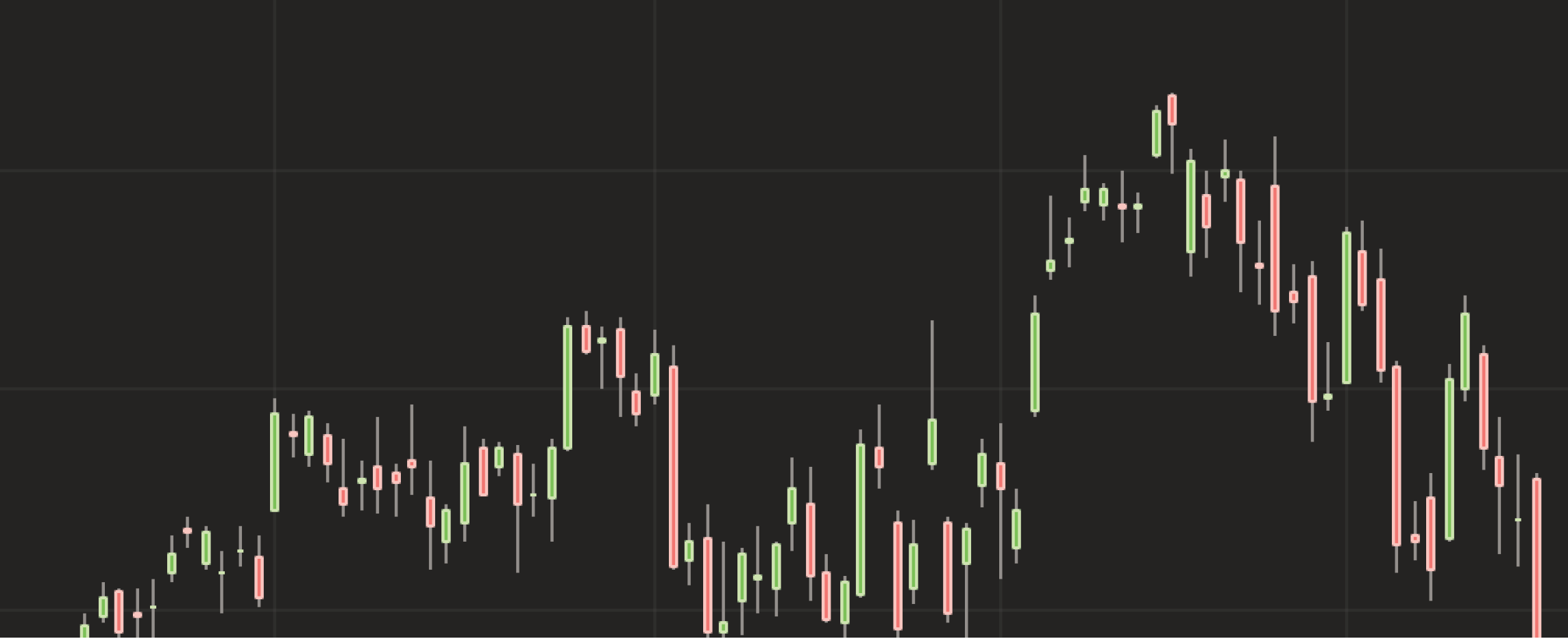
The client is a leading provider of financial information and e-trading tools. Its portals are among the highest-reach offerings in German-speaking markets: analysis and reports across asset classes, real-time quotes, live video, and professional tools such as chart analysis and real-time pattern recognition.
The challenge
The grown platform landscape needed consolidation and a central e-commerce and sales component. Marketing and sales depended on stronger CRM capabilities and additional channels. The heavy, inconsistent stack was to be replaced by a unified, stable, extensible integration platform.
Process analysis and consulting
We reviewed grown processes and how they were reflected in IT. Many process improvements were required before integration goals could be met. Our team’s long-standing e-commerce and software experience shaped solid, forward-looking advice.
System analysis
Understanding existing infrastructure and each component’s role in the business process was essential. Requirements from different departments lived in interconnected systems - SAP for finance and accounting, plus CRM, subscription management, and fulfilment systems.
From process and system analysis we designed an integration concept: embed the new e-commerce platform in the existing landscape and define connections to legacy systems and portals. Platform selection focused on a stable, extensible solution: Magento Commerce.
Implementation
We implemented required features and extended Magento for the client’s needs. Subscription models in particular required substantial changes. Legacy interfaces and frontend delivery were part of our scope.
Vendor management and quality
SAP integration required dedicated interfaces. We engaged a proven partner for a generic connector and optimised it for the client’s needs - while owning vendor management, requirements, and quality assurance.
Financial information products depend on customer trust. We established QA processes and tooling: continuous integration, unit and interface tests, continuous deployment, and dedicated test environments. Acceptance testing was led by our ISTQB-certified quality manager.